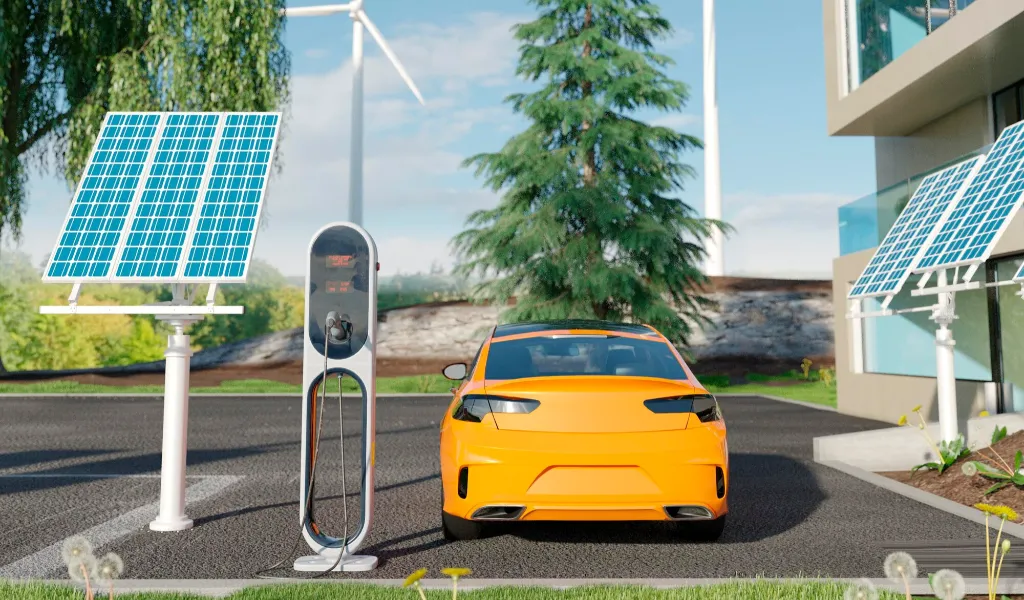
AC vs DC Charging: Choosing the Right Mix for Your Location
The Basics of AC and DC Charging
AC (Alternating Current) and DC (Direct Current) charging play distinct roles in the electric vehicle (EV) charging process. AC charging is typically slower and used in homes or commercial locations, while DC charging is utilized in fast-charging stations, delivering energy directly to the vehicle's battery.
Advantages and Disadvantages of AC Charging
AC charging's primary advantage is its cost-effectiveness and simple installation requirements. According to the IEA, 80% of EV owners globally charge their vehicles at home using AC chargers. However, it offers a slower charging process, typically taking several hours.
Advantages and Disadvantages of DC Charging
DC charging stations are popular for their ability to quickly recharge batteries. Statista notes that there are approximately 17,000 DC fast-charging stations worldwide as of 2023. However, these stations are more expensive to install and consume more energy.
Choosing the Right Charging Mix
When selecting the right charging mix for your location, factors such as customer needs, budget, and existing infrastructure should be considered. Dynamic load management and device compatibility play crucial roles in this process.
Efficient Charging Management with Click&Plug
Click&Plug offers comprehensive solutions for managing both AC and DC charging infrastructure. This platform enables users to optimize their charging operations and enhance energy efficiency.
Frequently Asked Questions
What is the difference between AC and DC charging?
AC charging is slower, while DC charging delivers energy rapidly to the battery.
Is DC charging possible at home?
Generally, no. DC charging stations require higher energy demands and are typically found in public areas.
How long does AC charging take?
AC charging usually takes several hours, making it convenient for overnight charging.
How can Click&Plug assist?
Click&Plug helps manage your charging infrastructure and maximize efficiency.
